Introduction
Dumpsters are ubiquitous in city landscapes, serving as essential tools for waste administration, construction projects, and residential clean-outs. But do you recognize that local legislations and policies regarding dumpsters can vary substantially from one municipality to another? This article intends to shine a light on these often-overlooked rules and policies. If you've ever before wondered about the legalities surrounding dumpster usage, you have actually pertained to the best place! From permits to positioning limitations, we'll cover whatever you didn't learn about local laws and laws on dumpsters.
What You Really did not Understand about Local Regulations and Rules on Dumpsters
When it comes to dumpster guidelines, the specifics can be rather complicated. Lots of homeowners or contractors commonly discover themselves in a pickle when they realize they have actually unconsciously broken neighborhood ordinances. As an example, some cities call for licenses for putting dumpsters on public residential property while others implement stringent standards on the kinds of waste that can be thrown away. Did you know that falling short to adhere to these policies might lead not just to fines but likewise legal consequences?
The Relevance of Understanding Regional Laws
Understanding regional legislations is important for various factors:
Avoiding Fines: Lack of knowledge of the legislation is not a justification; breaching dumpster laws can bring about large fines. Community Impact: Inappropriate disposal techniques can negatively impact areas by contributing to litter and pollution. Safety Concerns: Neighborhood legislations often resolve safety and security issues associated with dumpster use, making sure pedestrian safety and security and minimizing hazards.How Local Laws Vary by Location
Local legislations controling dumpsters can vary considerably based https://penzu.com/p/11abe322c96abcb9 upon geographical area. In city settings, where room is at a costs, municipalities have a tendency to have actually more stringent guidelines contrasted to rural areas. For example:
- Urban Areas: These normally require authorizations for street placement and might limit the size of dumpsters based on zoning laws. Rural Areas: Rules may be more forgiving; however, environmental factors to consider remain crucial.
Why Do Rules Exist?
You could question why such regulations exist in the first place. The solution depends on multiple factors:
- Environmental Protection: Guaranteeing appropriate waste disposal helps shield natural resources. Public Safety: Laws assist avoid mishaps connected to overflow or dangerous materials. Aesthetic Considerations: Cities want to maintain a certain visual charm; unregulated dumpster usage can lead to unsightly conditions.
Common Laws Pertaining to Dumpster Usage
Now that we've set the stage, let's delve into some usual regulations you may run into concerning dumpster usage.
Permit Requirements
Almost every city needs an authorization for putting a dumpster on public property. Typically:
- Application Process: A lot of cities will have an on the internet application process where you should send details regarding the project. Duration: Permits typically define how long you can maintain the dumpster in place-- normally varying from days to weeks.
Table 1: Typical Authorization Costs Throughout Major U.S. Cities
|City|Estimated Authorization Cost|| ---------------|------------------------|| New York|$100|| Los Angeles|$75|| Chicago|$50|| Houston|$40|
Placement Restrictions
Placement constraints are vital for safety and security and ease of access:
- Sidewalks and Streets: Some jurisdictions forbid putting dumpsters on pathways or roads without appropriate barriers. Proximity to Infrastructure: Dumpsters should be placed far from fire hydrants, utility posts, or driveways.
Types of Waste Disposed
Local regulations frequently categorize waste into various types:
- Construction Debris: Particular policies exist for disposing of building and construction materials like timber, drywall, or metal. Hazardous Waste: Things like paint cans or chemicals may need special delivery and can not go into basic dumpsters.
Environmental Considerations in Dumpster Regulations
The influence of waste monitoring methods extends past prompt surroundings; it impacts ecosystems too.
Recycling Mandates
Many cities have taken on reusing mandates which directly affect how dumpsters are made use of:
Separate Containers Required: Some areas call for different bins for recyclable materials. Educational Programs: City governments usually carry out educational projects around proper disposal methods.Composting Initiatives
In recent years, composting initiatives have obtained grip:
- Organic Waste Disposal: Some towns now offer unique dumpsters for organic waste like food scraps.
List of Common Recyclable Materials
- Glass Aluminum Paper Cardboard
Compliance Obstacles Encountered by Homeowners & & Contractors
Navigating neighborhood regulations isn't constantly straightforward; here are some obstacles faced frequently.
Lack of Awareness
One major difficulty is simply not understanding what guidelines use:
- Many house owners anticipate their trash provider to take care of all facets of waste administration without understanding they carry some obligation as well.
Changing Regulations
Laws undergo alter based on new environmental findings or community requirements:
- Staying upgraded needs watchfulness; subscribe to city government e-newsletters or check out local websites regularly.
Best Practices for Utilizing Dumpsters Legally
Making certain you're compliant does not need to be frustrating! Right here are some best techniques:
Research Before Renting
Before employing a dumpster rental service:
Check your neighborhood district's website for particular guidelines. Consult with your rental firm-- they're usually aware of local requirements!
Communicate with Neighbors
If your task influences next-door neighbors (e.g., sound), it's a good idea to connect ahead of time:
Share timelines so they're prepared. Discuss any kind of potential interruptions openly.FAQs regarding Regional Regulations and Laws on Dumpsters
Here are some often asked questions regarding this topic:
1. Do I require a license for a residential dumpster?
Yes! The majority of towns require authorizations even for property tasks if the dumpster will certainly occupy public land or impede website traffic flow.
2. Exist size restrictions for dumpsters?
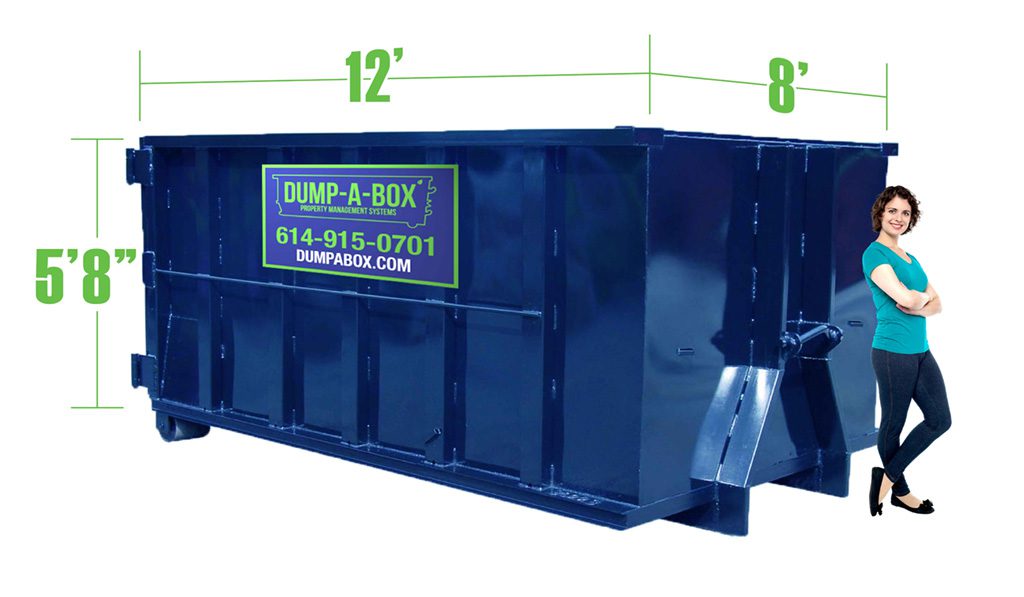
Yes! Depending upon your city's zoning regulations, there may be constraints on size based upon where you intend to position it (e.g., driveway vs street).
3. What occurs if I don't comply with neighborhood laws?
Non-compliance can lead not only to penalties however also job hold-ups because of lawful effects-- so it's ideal avoided!
4. Can I get rid of hazardous products in my dumpster?
Generally no! Dangerous products require special delivery-- get in touch with your local waste monitoring authority for correct disposal options.
5. Exist charges associated with unloading specific kinds of waste?
Absolutely! Various sorts of waste might incur additional fees depending upon how they're refined at land fill sites-- make sure you're informed in advance of time!
6. What if my neighbor does not comply with the rules?
If you observe violations concerning dumpster use neighboring (like prohibited disposing), report it! Several communities have actually hotlines devoted especially for these concerns.

Conclusion
Understanding local laws and regulations worrying dumpsters isn't almost avoiding penalties-- it's about being responsible stewards in our areas while guaranteeing public safety and security and environmental management too! With expertise comes power; educating yourself allows much better decision-making when managing waste responsibly within your location's guidelines.
In summary, whether you're intending a restoration project or simply require added space during springtime cleaning period-- being informed regarding these regulations will certainly save you frustrations later on! So following time somebody points out "What You Really Did Not Know About Local Legislations and Rules on Dumpsters," remember this post as your go-to source! Happy discarding (legitimately)!