Dumpster rentals supply a hassle-free remedy for managing waste throughout various projects, from little home improvements to massive building and construction sites. To ensure a smooth procedure, it's essential to understand the variables affecting costs, such as rental period, size, and location, as well as surcharges like delivery and disposal costs. Picking the best dumpster dimension and rental period can significantly affect prices and efficiency. Furthermore, it's vital to be aware of prohibited items, placement and accessibility factors to consider, and local regulations to prevent fines and job hold-ups. By thinking about these vital factors, you can efficiently manage your waste and achieve a successful task result, and there's more to discover when it pertains to choosing the excellent dumpster leasing for your specific needs.
Understanding Dumpster Rental Costs
Calculating dumpster rental costs can be https://www.tumblr.com/starstruckcupcakeinternet/765917807434137601/what-to-consider-when-choosing-the-right-dumpster an intimidating job, particularly for those who have actually never rented out a dumpster before.
It's crucial to understand the numerous variables that add to the general price to assure you obtain the very best offer. Dumpster rental expenses commonly include the rental period, dumpster size, kind, and weight capacity.
Additionally, the area and range from the rental business's facility can impact the expense. Some rental business might additionally charge additional for delivery, pickup, and disposal fees
Moreover, any local licenses or licenses needed for the dumpster might add to the total cost. It is necessary to ask about any type of additional fees or costs when asking about dumpster rental costs.
By understanding these elements, you can better estimate the total cost of your dumpster service and make an educated decision.
Remember to constantly ask about any type of discounts or promotions that might be available to help in reducing your costs.
Choosing the Right Dumpster Size
Choosing the right dumpster size is crucial for making sure a seamless and effective waste elimination process, as it straight influences the general cost and effectiveness of the service. A dumpster that is too tiny might lead to additional fees for several pick-ups or overfilling, while a dumpster that is too large may result in thrown away area and unnecessary expenses.
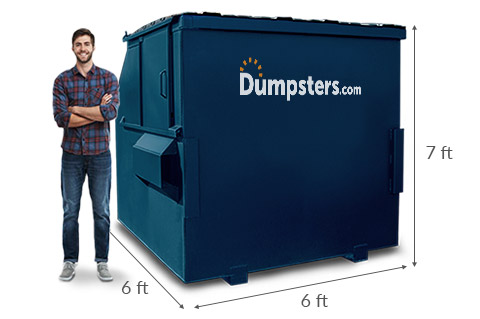
When choosing a dumpster dimension, review the scope of your project and the sort of materials you will certainly be disposing of. For small to medium-sized projects, such as cooking area remodellings or backyard cleanings, a 10-20 lawn dumpster might be sufficient.
Larger tasks, such as building and construction or demolition, may need a 30-40 lawn dumpster. It's likewise crucial to evaluate any kind of specific policies or restrictions in your area that might impact dumpster dimension and placement.
Dumpster Rental Period Options
Determining the ideal dumpster rental period is a vital aspect of the waste management process, as it straight influences the overall cost and comfort of the rental.
Rental durations normally vary from a few days to numerous weeks and even months, depending on the task's scope and duration. Short-term rentals, generally 3-7 days, are optimal for small-scale tasks, such as cleaning a single space or finishing a small renovation.
Medium-term services, usually 7-14 days, are suitable for larger jobs, like remodeling a kitchen or shower room. Long-term rentals, often 2-4 weeks or more, are best for substantial tasks, such as whole-house remodellings or large construction.
Some dumpster rental business may offer flexible rental periods or extensions, allowing you to adjust the rental duration as needed.
It's vital to review your specific requirements with the rental business to figure out one of the most cost-effective and convenient rental period for your project.
What Can You Toss Away
Your job's waste disposal demands are unique, and recognizing what can be thrown away in a dumpster rental is vital to assuring a smooth and effective process.
Most dumpster rental business permit you to dispose of general construction debris, household waste, and yard waste in their dumpsters. This includes things such as drywall, roofing products, floor covering, and various other structure materials. You can likewise throw out house products like furnishings, home appliances, and general trash.
Yard waste, consisting of branches, leaves, and grass cuttings, can be taken care of in a dumpster leasing as well.
Additionally, numerous dumpster rental companies allow you to throw away heavy materials like concrete, asphalt, and dust. However, it's necessary to contact your rental business in advance to assure they can accommodate these larger materials.
Understanding what can be thrown out in a dumpster leasing will certainly help you prepare your project better and guarantee an effective waste disposal procedure. By knowing what products are permitted, you can focus on completing your project on time and within budget.
Prohibited Things and Materials
While understanding what can be thrown away in a dumpster leasing is vital, it's similarly essential to understand what things and materials are purely prohibited from being dealt with in these containers. Particular things posture ecological or health risks, and their disposal is controlled by law.
For circumstances, hazardous waste like batteries, electronic devices, and chemicals can not be discarded in a dumpster. Similarly, asbestos, tires, and propane tanks are also prohibited due to their prospective to create harm.
Additionally, things like food waste, liquids, and contagious products are not admitted dumpsters as they can draw in pests and create unsanitary conditions
It's essential to examine the prohibited items checklist given by your dumpster rental company to stay clear of any kind of fines or penalties. Correct disposal of these products is vital, and your rental firm might supply advice or resources for their safe disposal
Dumpster Positioning and Accessibility
Flexibility is vital when it involves dumpster positioning and accessibility, as it greatly influences the performance and convenience of the waste monitoring process
The suitable location for your dumpster rental ought to be easily accessible, yet out of the way of foot traffic and day-to-day activities. Take into consideration the size of the dumpster and the space available on your property to ensure a smooth and efficient waste administration experience.
Accessibility is likewise essential, as it impacts the convenience of loading and discharging waste. Make certain the dumpster is put on a level surface, which the surrounding area is free from obstacles and debris.
Additionally, consider the distance between the dumpster and the location where waste will certainly be produced, as this can impact the regularity of journeys to the dumpster and overall efficiency
Scheduling and Shipment Logistics
Proper preparation and sychronisation are crucial when it comes to scheduling and supplying dumpsters to ensure a seamless waste monitoring experience
When renting a dumpster, it is essential to schedule the delivery and pickup dates ahead of time to make certain the dumpster shows up on time and is grabbed promptly when the job is full. This control aids protect against unnecessary delays and added fees.
It's additionally vital to take into consideration the logistics of delivery, such as ensuring the dumpster can fit in the marked area which there are no obstacles obstructing the shipment path.
Most dumpster rental firms provide flexible scheduling options, including same-day or next-day delivery, to accommodate your project's distinct needs.
Be sure to inquire about the company's shipment plans, including their service area, delivery hours, and any kind of extra costs related to delivery or pickup.
Filling and Weight Capacity
The capacity of a dumpster rental is a substantial factor to review when preparing a waste management task. The weight capacity describes the maximum amount of waste the dumpster can hold, generally determined in bunches. Surpassing this capacity can result in additional fees or perhaps being rejected of the waste.
It's vital to choose a dumpster size that matches your job's needs to avoid overfilling
When filling up the dumpster, it's essential to disperse the weight evenly and stay clear of overloading one side. This avoids the dumpster from coming to be unsteady and lowers the risk of crashes throughout transport. Some items, like hefty construction materials, may require special handling and disposal.
Be certain to contact your dumpster rental provider for details standards on acceptable products and weight limits
Properly filling the dumpster also helps ensure efficient waste disposal Leaving adequate room in between products enables simple compacting, reducing the variety of journeys to the garbage dump and minimizing environmental impact.
Local Laws and Permits
In enhancement to recognizing dumpster capacity and filling guidelines, it's equally important to acquaint on your own with local regulations and allows required for waste disposal projects
Failure to abide by these laws can lead to fines, charges, and also project delays. Regional regulations differ, yet usual demands include obtaining authorizations for dumpster positioning, sticking to noise ordinances, and adapting specific waste disposal guidelines
It's necessary to research the regulations in your area before leasing a dumpster. Get in touch with your city government or public works division to identify what permits are needed and what constraints apply.
Some cities might have specific policies for dumpster placement, such as needing them to be placed behind a fence or on a paved surface area. Others may have noise constraints, restricting the hours throughout which waste can be collected.