Renting a dumpster involves a 10-step procedure to assure a problem-free experience. First, identify your dumpster needs by assessing waste kind, quantity, and rental duration. Next, pick the right dumpster size, thinking about aspects like bulky things and job range. Then, pick a reputable rental company, checking evaluations, licenses, and insurance. Later on, familiarize yourself with local regulations, permits, and waste disposal requirements. Establish a budget and compare costs, including extra fees. Schedule a distribution date, preparing the site and guaranteeing prompt drop-off. Lastly, prepare the site, getting rid of the location and removing challenges. By complying with these steps, you'll be well on your method to an effective dumpster rental experience, and exploring the details of each action will certainly assist you navigate https://piedmont-triad-dumpstersmidz.weebly.com/blog/what-dumpster-rental-size-do-i-need-for-my-job the process with confidence.
Determine Your Dumpster Needs
Several factors need to be considered when identifying your dumpster needs The type and amount of waste you intend to dispose of, the duration of the rental period, and the offered space at your location are all vital considerations.
Moreover, local regulations and permits needed for dumpster placement should be taken right into account.
Understanding the purpose of the dumpster leasing is also crucial. Are you carrying out a home renovation, clearing out a cellar, or taking care of a building and construction website? Different projects produce varying kinds of waste, and the best dumpster dimension and type should be picked accordingly.
Additionally, the weight and product of the waste will certainly influence the selection of the dumpster. Heavy materials like concrete or asphalt require specific dumpsters, while lighter materials like backyard waste or household trash can be fit by common dumpsters.
Choose the Right Dumpster Size
To establish the best size, think about the range of your project, the kind of products being disposed of, and the readily available area on your property.
Common dumpster sizes array from 10 to 40 cubic lawns. For small projects, such as bathroom remodels or yard cleanings, a 10-20 cubic backyard dumpster might be sufficient. Larger projects, like construction or demolition, may need a 30-40 cubic yard dumpster.
When estimating the size, keep in mind to make up any bulky or heavy items, such as devices or concrete, which may take up even more space than expected.
Accurately determining your dumpster demands will assure a hassle-free rental experience and maximize your waste administration budget.
Select a Trusted Rental Company
Regularly, homeowners and contractors discover themselves overwhelmed by the large variety of dumpster rental companies vying for their organization, making it important to divide the reliable from the unreliable
Researching and choosing a reputable rental company is vital to assure a smooth and problem-free dumpster rental experience.
Start by requesting for referrals from friends, family members, or coworkers who have rented out dumpsters in the past. You can also inspect online review platforms, such as Yelp or Google Reviews, to obtain an idea of the firm's reputation and client satisfaction.
Look for firms with a solid track record of supplying excellent customer service, timely shipments, and competitive pricing.
Additionally, confirm if the firm is correctly licensed and insured to run in your location. A reputable business will be clear about their services, pricing, and policies.
Be careful of firms with vague or hidden fees, as they might shock you with added fees later on.
Check Neighborhood Dumpster Regulations
Before getting a dumpster, it is vital to acquaint yourself with the local regulations controling dumpster rental and positioning in your area. Failure to abide by these guidelines can result in penalties, penalties, or even cancellation of your rental agreement.
Start by contacting your city government or public jobs department to inquire about certain policies and limitations. Some typical guidelines include acquiring licenses, adhering to noise regulations, and adhering to weight and size limitations.
Additionally, you might need to verify that the dumpster is positioned on personal property or acquire consent from adjacent property owners.
It's likewise essential to understand any kind of specific demands for waste disposal, such as separating recyclables or hazardous materials
Set a Spending plan and Compare Prices
Establishing a spending plan and comparing prices is an essential step in the dumpster rental process, as it allows you to make an informed decision that meets your demands and economic constraints.
By setting a budget plan, you can narrow down your options and focus on dumpster rental services that fit within your methods. Begin by figuring out how much you're willing to spend on dumpster rental, consisting of any type of additional fees for delivery, pickup, and disposal.
Next, study local dumpster rental companies and compare their prices. Be sure to consider the size and kind of dumpster you need, as well as any extra services you may require, such as same-day distribution or flexible rental periods.
Create a list of possible companies, including their costs and solutions, to aid you make an educated decision. By contrasting prices and services, you can establish you're getting the best value for your money and prevent overspending on your dumpster rental.
Schedule Dumpster Delivery Date
With your budget in place and a list of potential dumpster rental suppliers in hand, it's time to transform your focus to arranging the shipment of your dumpster.
This essential action assurances that your task remains on track and that you have the needed devices to get the task done.
When scheduling your dumpster distribution date, take into consideration the following:
Project timeline: Line up the distribution day with your task's beginning date to assure you have the dumpster on site when you need it.
Availability: Verify the rental service provider's availability and timetable the shipment each time that works ideal for you.
Access restrictions: Educate the carrier of any kind of gain access to limitations, such as slim streets or gated communities, to ensure a smooth distribution process.
Alternative dates: Have a back-up plan in place in situation of unforeseen delays or changes in your job schedule.
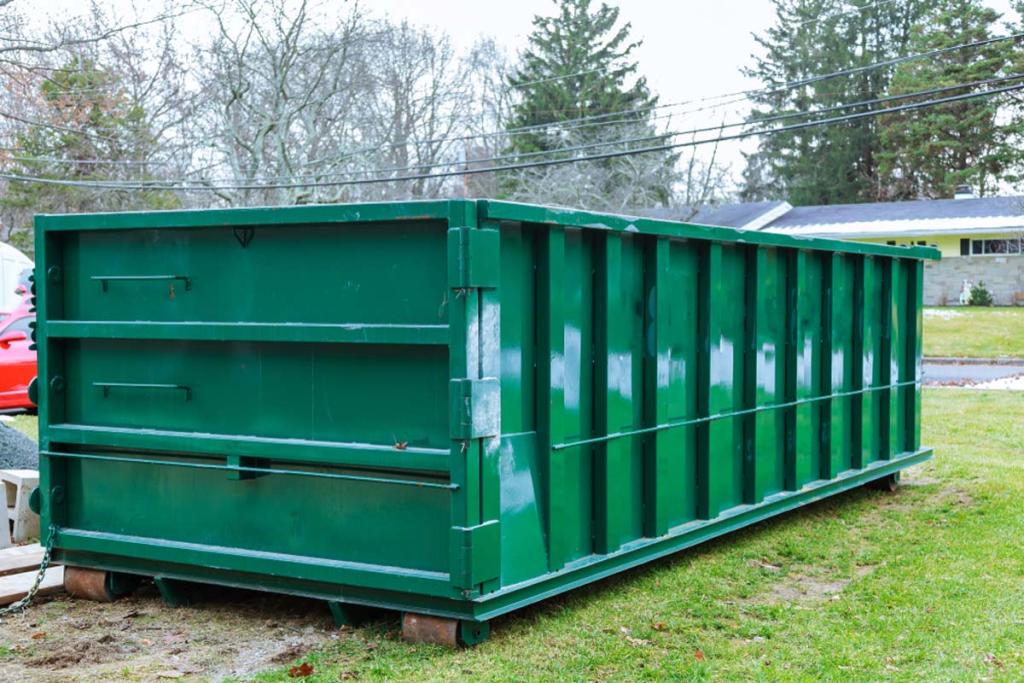
Prepare the Dumpster Shipment Site
Clear the location around the designated distribution site to guarantee a seamless and efficient dumpster drop-off. Ascertain the path is free from obstacles, including automobiles, trees, and power lines, to allow the dumpster vehicle to access the site easily.
Consider the dumpster's size and swing radius when picking a shipment area. Normally, a 10- to 20-foot distance is required for a basic dumpster.
Remove any kind of loose debris, such as fallen leaves or branches, to avoid damage to the dumpster or bordering home. If you're renting a dumpster for a building and construction task, identify the site is clear of developing materials, tools, and equipment.
If you're leasing for a residential cleanout, eliminate any type of mess or obstructions that may prevent the shipment process.
Designate a particular area for the dumpster, such as a driveway or a flat, degree surface This will certainly assist prevent the dumpster from shifting throughout use and ascertain it can be conveniently picked up when the rental period ends.