Optimizing your dumpster rental experience entails more than just picking a dumpster dimension. It calls for cautious factor to consider of several variables, consisting of the rental period, dumpster type, and local guidelines. Exact waste volume estimation and appropriate positioning of the dumpster are vital to making sure efficient waste monitoring and expense savings. Furthermore, understanding weight capacity, local ordinances, and tactically preparing pickup and delivery routines can assist minimize overweight fines and task hold-ups. By mastering these essential parts, you can simplify your waste monitoring process and reveal much more methods to enhance your dumpster rental experience.
Determining the Right Dumpster Size
When tackling a task that requires waste removal, one of one of the most vital decisions lies in figuring out the right dumpster size A dumpster that is also little can cause pricey overflows and additional fees, while one that is too big can cause unneeded costs and squandered space.
In order to stay clear of these problems, it's important to properly estimate the volume of waste your task will generate.
Factors to take into account when picking a dumpster dimension include the type and amount of products being thrown away, the schedule of area on-site, and any local regulations or restrictions.
Typically, dumpsters range in dimension from 10 to 40 cubic lawns, with one of the most common dimensions being 20 and 30 cubic yards.
It's additionally vital to examine the weight capacity of the dumpster, as going beyond the suggested weight can lead to additional charges and even damages to the dumpster.
Choosing the most effective Rental Period
Once the excellent dumpster size has been established, focus can change to picking the best rental period, a vital aspect of the dumpster rental procedure that can considerably impact project expenses and efficiency.
The rental period ought to be very carefully considered to assure that the dumpster is on-site for the required quantity of time, without incurring unnecessary costs.
When choosing the very best rental duration, consider the following elements:
Project timeline: The length of time will the task require to complete? Be sure to represent any prospective delays or setbacks.
Debris generation rate: Just how swiftly will waste be created during the job? A much faster generation rate might require a much shorter rental period.
Dumpster capacity: How often will the dumpster need to be cleared? A bigger dumpster might call for a longer rental period.
Budget constraints: What is the allocate the rental period? A longer rental duration may be much more cost-efficient in the long run.
Selecting the Ideal Dumpster Type
The size of the dumpster is additionally necessary. A smaller sized dumpster may be optimal for smaller projects or those with minimal space, while bigger dumpsters are much better suited for large projects that create a significant quantity of waste.
Additionally, take into consideration the dumpster's product and weight capacity Some dumpsters are created for heavy materials like concrete or asphalt, while others are better suited for lighter products like drywall or flooring.
Understanding Neighborhood Regulations
Local regulations and guidelines can greatly influence the dumpster rental procedure, making it essential to understand the rules governing waste disposal in https://zenwriting.net/piedmonttriad-dumpsters/what-dumpster-rental-choice-is-right-for-your-task your area.
Failure to follow regional regulations can cause fines, fines, and even project hold-ups. It's essential to study and acquaint yourself with the details guidelines in your location prior to leasing a dumpster.
Some vital guidelines to think about consist of:
Permit requirements: Establish if you require an authorization to position a dumpster on your property or street.
Waste acceptance: Learn what sorts of materials are approved in the dumpster and what products are prohibited.
Dumpster placement: Comprehend the rules for placing a dumpster on your home, including limitations on size, place, and duration.
Noise restrictions: Be aware of sound policies and constraints on dumpster distribution and pick-up times.
Calculating Your Waste Volume
How much waste will your project produce? Computing your waste volume is a necessary action in maximizing your dumpster rental experience This process aids you determine the right dumpster size, lowering the danger of paying too much for unnecessary capability or, worse, running out of room mid-project.
To estimate your waste quantity, take into consideration the type and amount of products you'll be throwing away. For construction projects, determine the square video of the location being restored or knocked down, and multiply it by the expected waste generation price (typically 1-2 cubic yards per 1,000 square feet).
For household cleanouts or special events, tally up the number of things being discarded, such as furnishings, appliances, or trash can. Make sure to represent bulky items, like sofas or refrigerators, which occupy much more room than their weight would suggest.
Then, speak with your dumpster rental supplier to establish the excellent dumpster dimension based on your computations. By accurately determining your waste volume, you'll ensure a smooth and reliable waste management process
Strategically Placing Your Dumpster
Ideal dumpster placement is crucial to guarantee a smooth waste administration process. A well-placed dumpster not just guarantees simple gain access to for waste disposal however also avoids possible threats and liabilities.
When establishing the suitable place for your dumpster, take into consideration the following elements:
Accessibility: Put the dumpster in a location that is conveniently available for workers, vehicles, and pedestrians to decrease traffic jam and accidents.
Visibility: Position the dumpster in a noticeable location to encourage liable waste disposal and stop prohibited dumping.
Proximity to waste generation: Locate the dumpster close to the location where waste is produced to lower transport distances and labor costs.
Compliance with regulations: Verify the dumpster is placed in conformity with regional regulations and regulations, avoiding fines and penalties.
Minimizing Obese Fines
Proper dumpster placement sets the stage for a successful waste monitoring process, and it's similarly vital to establish the dumpster is not overloaded, as this can result in pricey overweight fines.
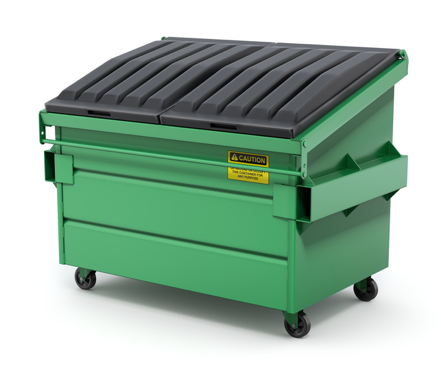
Overloading can occur when the weight of the waste surpasses the dumpster's maximum capacity To prevent this, it's crucial to approximate the weight of the waste properly and choose the right dumpster size for your project.
Additionally, it's imperative to distribute the weight evenly within the dumpster to stop moving during transportation.
Another way to minimize overweight penalties is to separate heavy materials like concrete, block, or asphalt from lighter waste. By doing so, you can protect against overloading and assist in a smoother disposal process.
Moreover, it's advised to maintain a document of the waste disposal process, including weight tickets and disposal invoices, to confirm conformity with regulations in situation of an audit.
Streamlining Pick-up and Delivery
Scheduling dumpster pickups and distributions efficiently is essential to maintaining a seamless waste monitoring process. By streamlining these logistics, you can assure that your job remains on track and stays clear of pricey delays.
When collaborating with your dumpster rental supplier, it's important to supply precise information concerning your project's timeline and waste generation rates.
To ensure a smooth pick-up and distribution process, maintain the adhering to suggestions in mind:
Specify exact shipment and pickup dates to stay clear of confusion and miscommunication. Designate a clear drop-off location to assure simple gain access to for the distribution driver. Provide accurate quotes of waste volume to prevent overloading or underloading the dumpster. Confirm the rental duration and extensions to stay clear of unforeseen fees or penalties.