Optimizing your dumpster rental experience needs mindful preparation and attention to information to ensure efficient waste removal, reduce prices, and lower ecological impact. Understanding the types of dumpsters available, choosing the ideal size, and preparing for waste elimination are vital steps. Additionally, maximizing dumpster space, handling hefty or large items, and avoiding pricey blunders can aid streamline the process. By coordinating with dumpster suppliers, dealing with special waste materials, and assuring a smooth pickup procedure, you can secure a hassle-free rental experience By adhering to these tips, you'll be well on your method to making the most of your dumpster services and achieving an effective project result with very little environmental footprint.
Understanding Dumpster Rental Options
When it comes to taking care of waste throughout building and construction, restoration, or cleansing projects, having the ideal dumpster rental options is important for reliable and cost-efficient particles removal.
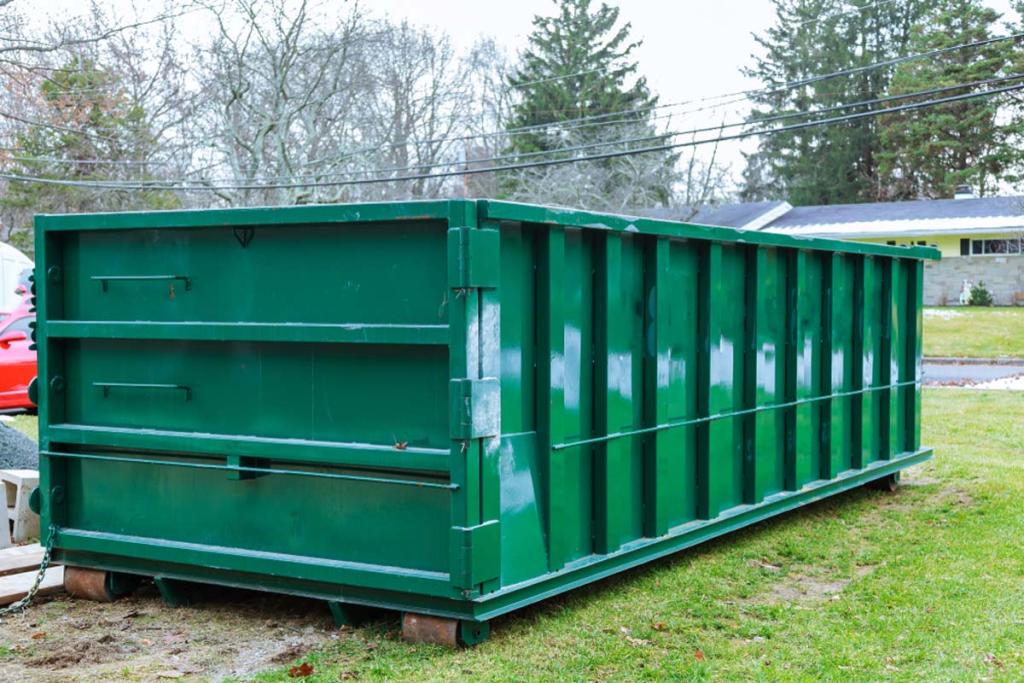
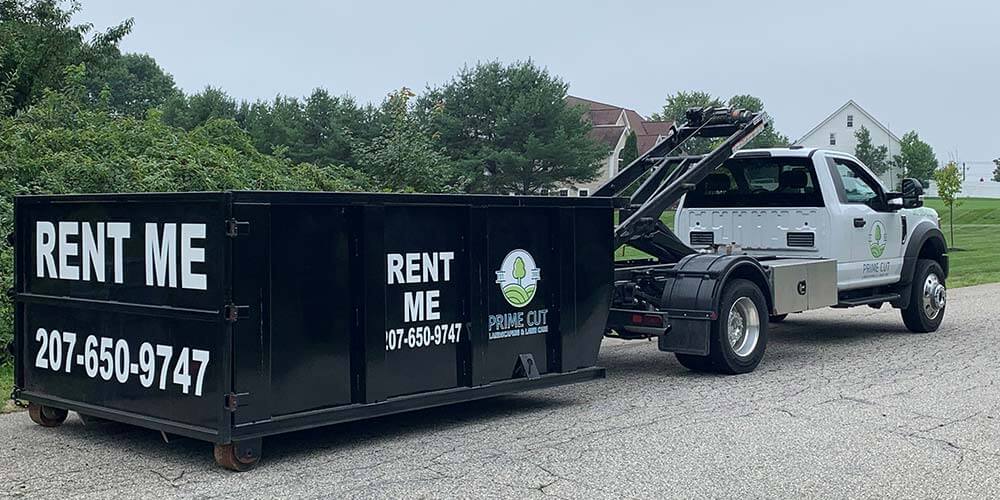
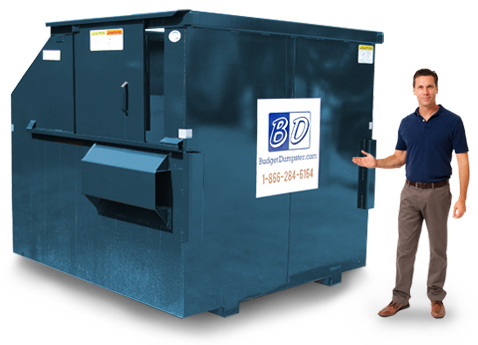
This involves understanding the various sorts of dumpsters available, consisting of roll-off dumpsters, front-load dumpsters, and rear-load dumpsters Each type offers a specific purpose and is suited for particular projects.
For circumstances, roll-off dumpsters are perfect for large-scale construction projects, while front-load dumpsters are much better fit for smaller, recurring waste management requirements. Rear-load dumpsters, on the other hand, are frequently utilized for business waste disposal.
Additionally, dumpster rental alternatives can vary relating to duration, with short-term rentals available for smaller tasks and long-term leasings for continuous building or restoration projects.
Understanding these choices enables job supervisors to make informed decisions, making sure that waste is handled effectively and successfully, while likewise remaining within budget.
Choosing the Right Dumpster Size
Selecting the appropriate dumpster size is a crucial component of efficient waste management, as it directly affects the project's total cost and productivity. A dumpster that is also tiny can bring about multiple trips to the landfill, resulting in boosted expenses and project delays
On the other hand, a dumpster that is as well big can be a waste of resources and may also break local regulations
To select the appropriate dumpster size, think about the scope of your project and the quantity of waste you expect to create. Residential projects, such as home renovations or cleanouts, commonly need smaller dumpsters varying from 10 to 20 yards.
Commercial projects, like building and construction or demolition, typically require larger dumpsters, typically 30 to 40 backyards. Additionally, think about the weight and type of products you'll be getting rid of, as this can affect the dumpster dimension needed.
Planning for Efficient Waste Removal
Efficient waste removal preparation begins with a comprehensive understanding of the project's waste generation patterns and the logistics of dumpster placement This involves identifying the types and quantities of waste that will be produced, in addition to the regularity of waste disposal needed By doing so, you can identify the most suitable dumpster size and positioning areas to optimize waste elimination efficiency.
Additionally, it's essential to consider the accessibility of the dumpster site, ensuring that it's conveniently obtainable for both garbage disposal and pickup. This will certainly assist reduce disturbances to your job timeline and decrease the danger of crashes or injuries.
Moreover, preparing for efficient waste elimination additionally involves coordinating with your waste administration provider to arrange normal pick-ups and validate that waste is gotten rid of in an environmentally accountable manner By taking these elements into consideration, you can guarantee a smooth and reliable waste elimination procedure that satisfies your project's special needs.
Maximizing Dumpster Area Usage
A well-organized waste elimination plan relies greatly on maximizing dumpster room usage to minimize costs and minimize the ecological impact of waste disposal. By maximizing dumpster area, you can reduce the variety of journeys needed to carry waste, leading to reduced gas usage, minimized traffic congestion, and a smaller carbon footprint.
To maximize dumpster space, it's crucial to sort and categorize waste prior to placing it in the dumpster. This helps to ensure that one of the most significant products are packed first, allowing for effective piling and minimizing void. Additionally, consider damaging down large things, such as cardboard boxes, to create more area for various other waste materials.
Furthermore, it's vital to distribute the weight of the waste evenly throughout the dumpster to avoid overloading and possible damages to the container.
Managing Heavy or Bulky Items
Heavy machinery, construction particles, and extra-large home appliances typically posture substantial difficulties during waste elimination operations These things can be challenging to navigate, and their weight can place a stress on dumpsters, making them a lot more susceptible to damages or perhaps collapse.
To prevent these issues, it's crucial to handle hefty or large products efficiently. One solution is to lease a dumpster with a higher weight capacity This assures that the dumpster can take care of the weight of heavy items without endangering its structural integrity.
Additionally, take into consideration leasing a dumpster with a walk-in door or a roll-off dumpster, which can assist in less complicated loading and unloading of bulky products. It's additionally vital to distribute the weight of hefty things equally throughout the dumpster to prevent damage.
Minimizing Ecological Impact
Landfills and waste administration centers are well-known for their environmental impact, and it's vital to mitigate this effect when taking part in waste removal operations.
As liable citizens, we have to take positive steps to minimize the eco-friendly repercussions of our activities. By bearing in mind our waste monitoring methods, we can especially reduce the damage brought upon on the environment.
Here are three ways to minimize environmental influence when using dumpster rentals:
Segregate waste: Different recyclable materials from non-recyclable waste to assure that multiple-use sources are correctly carried. This basic act can especially reduce the amount of waste sent to landfills.
Opt for eco-friendly dumpsters: Pick dumpsters made from sustainable materials or those that are designed with eco-friendly features, such as solar-powered compactors.
Partner with eco-conscious providers: Select waste administration business that focus on environmental sustainability and adhere to responsible waste disposal practices.
Avoiding Costly Rental Mistakes
Frequently, individuals and companies alike come across unnecessary expenses when renting out dumpsters, which can swiftly accumulate and blow their budgets.
These costly blunders can be credited to an absence of understanding of the rental process, vague communication, or inadequate planning. To prevent these errors, it is vital to very carefully evaluate the rental agreement, guaranteeing you understand the terms, consisting of the duration, size, and kind of dumpster needed.
Additionally, accurately estimating the quantity of waste to be disposed of is vital, as undervaluing can cause additional costs for added hauls or extra-large loads. In addition, recognizing prohibited items and sticking to weight restrictions can stop unnecessary charges.
Coordinating With Dumpster Providers
When safeguarding a dumpster rental, efficient communication with the carrier is vital to assuring a seamless experience.
Clear communication helps protect against misconceptions, warranties timely distribution, and makes sure a hassle-free rental period. To achieve this, it's important to collaborate with your dumpster company in the following means:
Confirm Distribution Details: Confirm the distribution day, time, and location to assure the dumpster shows up when and where you need it.
Discuss Dumpster Dimension and Type: Guarantee you're renting the best size and kind of dumpster for your task, and ask about any type of certain functions or requirements, such as securing mechanisms or unique permits.
Establish Communication Channels: Mark a point of get in touch with and establish a recommended technique of communication, such as phone or e-mail, to rapidly address any type of concerns or problems that might emerge throughout the rental period.
Dealing With Special Waste Materials
Not all waste materials can be disposed of in a common dumpster leasing. Particular products, such as hazardous waste, electronic devices, and construction materials, need special handling and disposal to comply with environmental regulations and protect against harm to the community.
It's vital to recognize these unique waste products and take the needed actions to take care of them effectively. When taking care of special waste materials, it is very important to separate them from normal waste and contact your dumpster rental provider to inquire about their taking care of procedures.
Some providers might provide specialized containers or solutions for contaminated materials, while others may have partnerships with facilities that can deal with these materials. Be sure to comply with the service provider's guidelines and policies to ensure that these products are thrown away in an ecologically liable manner.
Proper disposal of unique waste products not just secures the setting but also helps to avoid prospective fines and fines associated with improper disposal
Ensuring a Smooth Pick-up Process
Proper disposal of unique waste products sets the stage for an effective dumpster rental experience, but it's just as important to secure a smooth pickup process. A smooth pickup guarantees that your task remains on track, and you can concentrate on even more pushing tasks.
To attain this, remember the following crucial considerations:
Clear Access: Safeguard the dumpster is quickly obtainable for the pickup. Get rid of any kind of barriers, such as parked cars or construction equipment, from the surrounding area.
Proper Loading: Load the dumpster sensibly, keeping in mind the weight and size limits. Avoid overloading, as this can lead to hold-ups and even added fees.
https://piedmont-triaddumpsters-34.mystrikingly.com/Scheduled Pickup: Verify the pick-up routine with your rental provider to safeguard a prompt collection. Be prepared to provide any type of essential paperwork or accessibility to the dumpster.