Introduction
Home renovation is an exciting yet complicated endeavor. Whether you're remodeling your cooking area, adding a brand-new room, or simply rejuvenating the look of your home, having a well-structured renovation timeline is critical. Yet what lots of house owners forget is the relevance of integrating proper waste management right into this timeline. "Setting Up Your Home Improvement Timeline with Proper Waste Administration" isn't nearly keeping your area clean; it has to do with making sure efficiency, compliance with neighborhood regulations, and lessening environmental impact. This post supplies a comprehensive guide to help you browse the complexities of home improvement while properly taking care of waste.
1. Recognizing the Range of Your Home Renovation
1.1 What Does Your Remodelling Entail?
Before diving into timelines and waste management approaches, it's crucial to comprehend what your renovation involves. Are you intending cosmetic changes, structural adjustments, or both?
1.2 The Relevance of Planning
Planning is half the battle won. An in-depth plan helps you prepare for necessary permits, constructing codes, and most importantly-- waste generation.
2. Establishing Your Home Restoration Timeline with Proper Waste Management
2.1 Why is Waste Administration Important?
Waste monitoring during improvements isn't simply a box to check off; it's important to preserving a safe workplace and maintaining prices down.
2.2 Secret Factors to consider in Waste Management
When establishing your timeline, take into consideration elements such as:
- Type of products used (wood, drywall, ceramic tiles) Disposal regulations in your area Recycling options readily available to you
3. Creating Your Home Remodelling Timeline
3.1 Establishing Milestones
Breaking down your task right into milestones can provide quality and keep you inspired throughout the process.
3.2 Time Allocation for every Phase
Dedicate time for:
- Planning Demolition Construction Cleanup and waste disposal
4. Evaluating Waste Generation
4.1 Estimating Quantity of Waste
Estimate how much waste each phase will certainly generate to choose suitable disposal approaches in advance of time.
4.2 Types of Waste Produced During Renovations
Understanding the sorts of waste you'll generate can help https://penzu.com/p/c3505efa64c19787 in planning for its disposal:
- Construction debris Hazardous materials General refuse
5. Picking the Right Disposal Method
5.1 Junk Elimination Services vs DIY Disposal
Consider whether working with specialists or dealing with disposal on your own makes more feeling for your project.
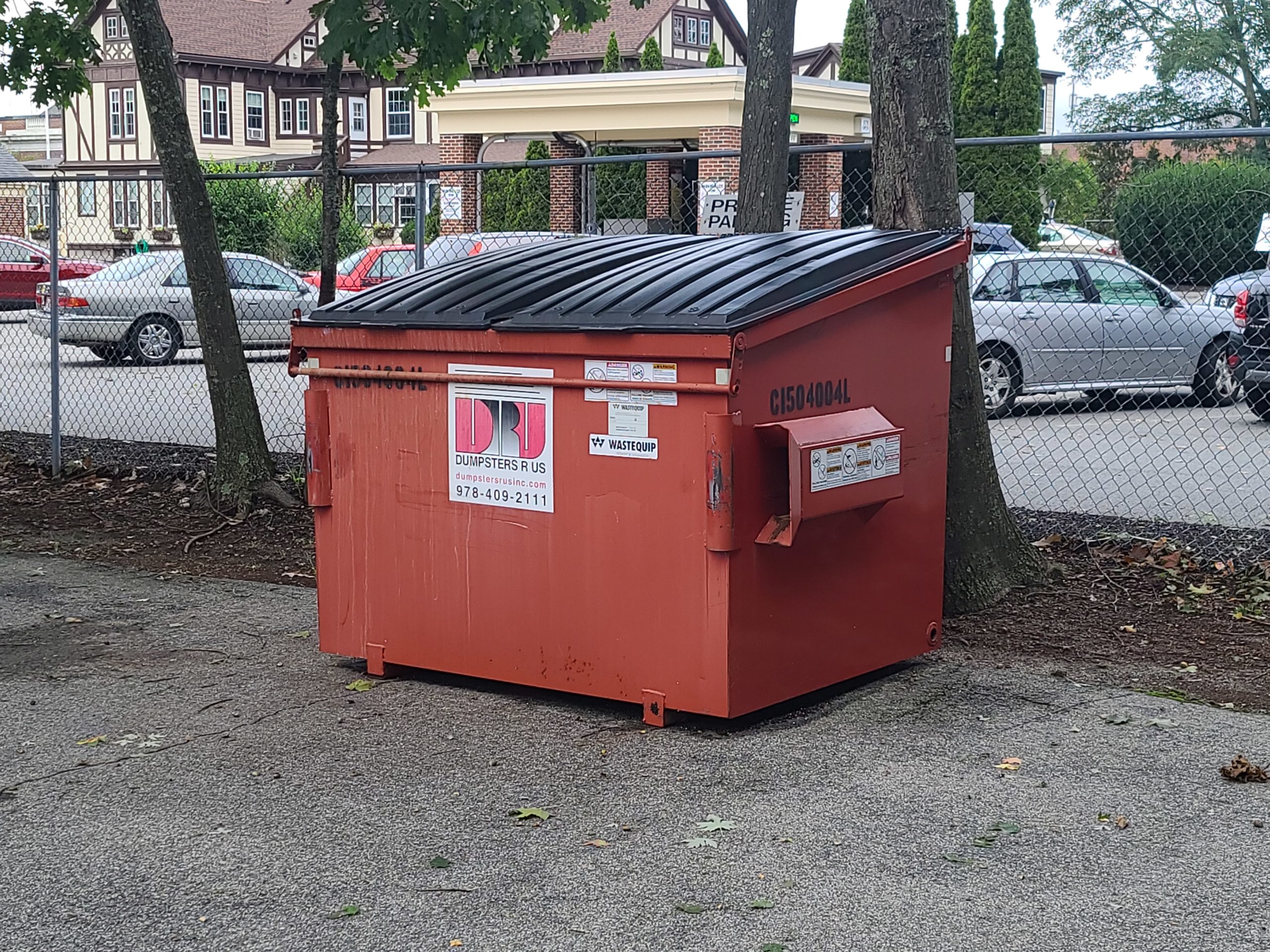
5.2 Dumpster Rental: A Feasible Option?
Renting a dumpster can simplify waste monitoring significantly yet needs mindful preparation relating to size and rental duration.
6. Regional Laws on Waste Disposal
6.1 Comprehending Local Laws
Make sure you're familiar with regional policies connected to construction debris and dangerous materials.
6.2 Permits and Licenses Required
Certain areas may require particular licenses for waste disposal-- make certain these are obtained prior to beginning your project.
7. Recycling Options for Structure Materials
7.1 What Can Be Recycled?
Identify which products can be reused to minimize garbage dump payments:
- Wood Metal Concrete
7.2 Finding Citizen Recycling Facilities
Research neighborhood facilities that approve building materials for recycling purposes.
8. Ecological Impact of Poor Waste Management
8.1 The Price to Our Planet
Neglecting correct waste management can cause substantial ecological consequences such as pollution.
8.2 Sustainable Practices
Adopting lasting practices not only benefits the atmosphere however likewise boosts your home's value long-term.
9. Budgeting for Waste Management Costs
9.1 Hidden Costs in Renovations
Waste administration shouldn't be a second thought; include it in your general renovation budget from the start.
9.2 Estimating Total Costs
Consider all aspects like dumpster rentals, junk elimination solutions, and recycling fees when budgeting.
10. Last Cleaning: Best Practices for Waste Disposal
10.1 Post-Renovation Cleanup Checklist
Ensure you have a checklist ready for effectively finishing up clean-up post-renovation.
|Job|Standing|| -----------------------|------------|| Dispose of dangerous material|Finished|| Reuse usable products|In Progress|| General cleaning|Pending|
10.2 Handling Leftover Materials
Don't forget remaining materials that could be useful later on-- consider saving them rather than throwing them away!
Frequently Asked Inquiries (Frequently asked questions)
Q1: Exactly how do I approximate how much waste my renovation will certainly generate? Approximating waste generation entails determining the square video being renovated and applying market standards based upon typical products used.
Q2: Exist any type of environment-friendly disposal options? Yes! Explore reusing centers that specialize in building debris or consider giving away useful items to regional charities.
Q3: What should I finish with harmful products like paint? The majority of locations have particular standards for getting rid of unsafe materials; call neighborhood waste administration authorities for instructions customized to your location.
Q4: Do I require a permit for rental dumpsters? This varies by location-- inspect regional policies relating to dumpster leasings before proceeding with leasing one.
Q5: Can I recycle drywall? Yes! Drywall can commonly be reused if required to details facilities made for this objective; nevertheless, check local standards first.
Q6: How long should I prepare for cleaning after renovations? Normally, assign at the very least one complete day dedicated only to clean-up at the end of your job-- yet this can differ relying on the scale of remodellings undertaken.
Conclusion
Navigating with home renovations while managing waste may seem frustrating initially glimpse, however with mindful preparation and adherence to established timelines, it becomes convenient-- and also fulfilling! Remember that "Establishing Your Home Renovation Timeline with Proper Waste Monitoring", not only aids maintain an organized work area however guarantees that you're making responsible selections that profit both you and the environment long-lasting.

By understanding every element-- from approximating waste production and selecting correct disposal approaches-- to complying with local regulations, you'll set on your own up not just for a successful remodelling however also contribute positively toward sustainable living methods in your community.